
Serengeti National Park
Witness the Greatest Wildebeest Migration Show
14,750
Square Kilometers
Over 2M+
Wildebeest Migration
Big 5
Wildlife Species
Park Overview
Location & Size
- Location: Northern Tanzania
- Area: 14,750 sq km (5,700 sq miles)
- Coordinates: 2.3333°S, 34.8333°E
- Elevation: 920-1,850 meters above sea level
Establishment
- Founded: 1951
- UNESCO Status: World Heritage Site (1981)
- Management: Tanzania National Parks Authority (TANAPA)
- Ecosystem: Part of the larger Serengeti ecosystem
Ecosystem Type
- Primary Habitat: Savanna grasslands
- Climate: Tropical savanna climate
- Rainfall: 950mm annually (southeast) to 550mm (northwest)
- Seasons: Dry (June-October) and Wet (November-May)
About Serengeti National Park
Tanzania’s oldest and most renowned national park, home to the world’s last great wildlife migration
The Serengeti National Park is Tanzania’s flagship conservation area and one of Africa’s most famous safari destinations. Established in 1951, this UNESCO World Heritage Site spans 14,750 square kilometers of grsaaland savannah in northern Tanzania.
The name “Serengeti” comes from the Maasai word “siringet,” meaning “endless plains.” These vast grasslands support an incredible diversity of wildlife, including the famous Big Five: lions, leopards, elephants, buffalo, and rhinoceros.
The park is best known for the annual Great Migration, where over 2 million wildebeest, zebras, and gazelles embark on a cyclical journey across the ecosystem in search of fresh grazing and water.
Africa’s Award-Winning Wildlife Paradise
Serengeti National Park is one of the most loved places in Africa. It has won many top awards, including being named Africa’s Leading National Park for seven years in a row. People from all over the world visit to see the Great Migration, where millions of animals like wildebeest and zebras travel across the land. The park is also home to the Big Five: lions, elephants, leopards, buffaloes, and rhinos. With its wide open spaces, beautiful views, and rich wildlife, Serengeti offers a truly unforgettable experience. It is also protected as a UNESCO World Heritage Site, showing how important it is to nature and to the world.
Wildlife Highlights
African Lions
The Serengeti hosts the largest population of lions in Africa, with over 3,000 individuals. These apex predators roam the plains in prides.
African Elephants
Large herds of elephants traverse the Serengeti, particularly in the woodland areas. These gentle giants play a crucial role.
Black Rhinoceros
Though rare, the Serengeti is home to a small population of critically endangered black rhinos, primarily found in the Moru Kopjes area.
Leopards
These elusive big cats are commonly spotted in the kopjes (rock outcrops) and riverine forests, making the Serengeti one of the best places to see leopards.
African Buffalo
Large herds of Cape buffalo roam the plains and woodlands. These formidable animals are known for their unpredictable nature and impressive horns.
Plains Zebras
Over 200,000 zebras participate in the Great Migration alongside wildebeest, creating one of nature's most spectacular wildlife shows on earth.
Great Migration Timeline
Calving Season
Southern Serengeti and Ndutu area witness the birth of over 500,000 wildebeest calves. Predator action is at its peak as vulnerable newborns attract lions, cheetahs, and hyenas.
Northward Movement
The herds begin moving north through the central Serengeti. This is an excellent time for general game viewing with fewer crowds and lush green landscapes.
Western Corridor
The herds reach the Western Corridor and face their first major challenge: crossing the crocodile-infested Grumeti River. Dramatic river crossings provide unforgettable photography opportunities.
Mara River Crossings
The most famous and dramatic part of the migration. Herds cross the treacherous Mara River into Kenya’s Masai Mara, facing crocodiles and strong currents.
Return Journey
Short rains trigger the return journey south. The herds move back through the eastern Serengeti, completing their ancient circular route.
Safari Activities
Experience the Serengeti through various exciting adventures.
Game Drives
Classic safari experience with morning and afternoon game drives. Spot the Big Five and witness daily life on the savanna with expert guides.
Hot Air Balloon Safari
Soar above the endless plains at sunrise for a bird's-eye view of the migration and wildlife. Includes champagne breakfast upon landing.
Walking Safaris
Guided walks in designated areas to experience the smaller details of the ecosystem. Learn about tracks, plants, and local ecology.
Photography Tours
Specialized photography safaris with professional guides who know the best spots for capturing wildlife and landscapes.
Sunrise/Sunset Drives
Experience the magic of African sunrises and sunsets while animals are most active. Perfect for romantic moments and photography.
Cultural Visits
Visit nearby Maasai villages to learn about traditional culture and lifestyle. Experience authentic interactions with local communities.
Planning Your Visit
Best Time to Visit
- Calving Season: January-March (Southern Serengeti)
- River Crossings: July-September (Northern Serengeti)
- Dry Season: June-October (easier game viewing)
- Green Season: November-May (fewer crowds, rain)
Getting There
- Nearest Airport: Seronera Airstrip (park center)
- International: Kilimanjaro Airport (320km)
- By Road: 7-8 hours from Arusha
- Gates: Naabi Hill, Klein's, Ndabaka
What to Pack
- Essential: Binoculars, camera with telephoto lens
- Clothing: Neutral colors, layers, hat
- Health: Sunscreen, insect repellent, malaria prophylaxis
- Documents: Passport, travel insurance, permits
Key Regions of the Park
Seronera (Central)
- Features: Park headquarters, research center
- Wildlife: Resident lions, leopards, elephants
- Landscape: Acacia woodlands and grasslands
- Best for: Year-round wildlife viewing
Northern Serengeti
- Features: Mara River, hilly terrain
- Wildlife: Migration river crossings
- Landscape: Rolling hills and riverine forests
- Best for: July-October migration
Southern Plains
- Features: Ndutu area, short grass plains
- Wildlife: Calving grounds, cheetahs
- Landscape: Endless grasslands
- Best for: January-March calving season
Western Corridor
- Features: Grumeti River, kopjes
- Wildlife: Crocodiles, hippos, colobus monkeys
- Landscape: Gallery forests and rocky outcrops
- Best for: May-June migration
Serengeti National Park Safari
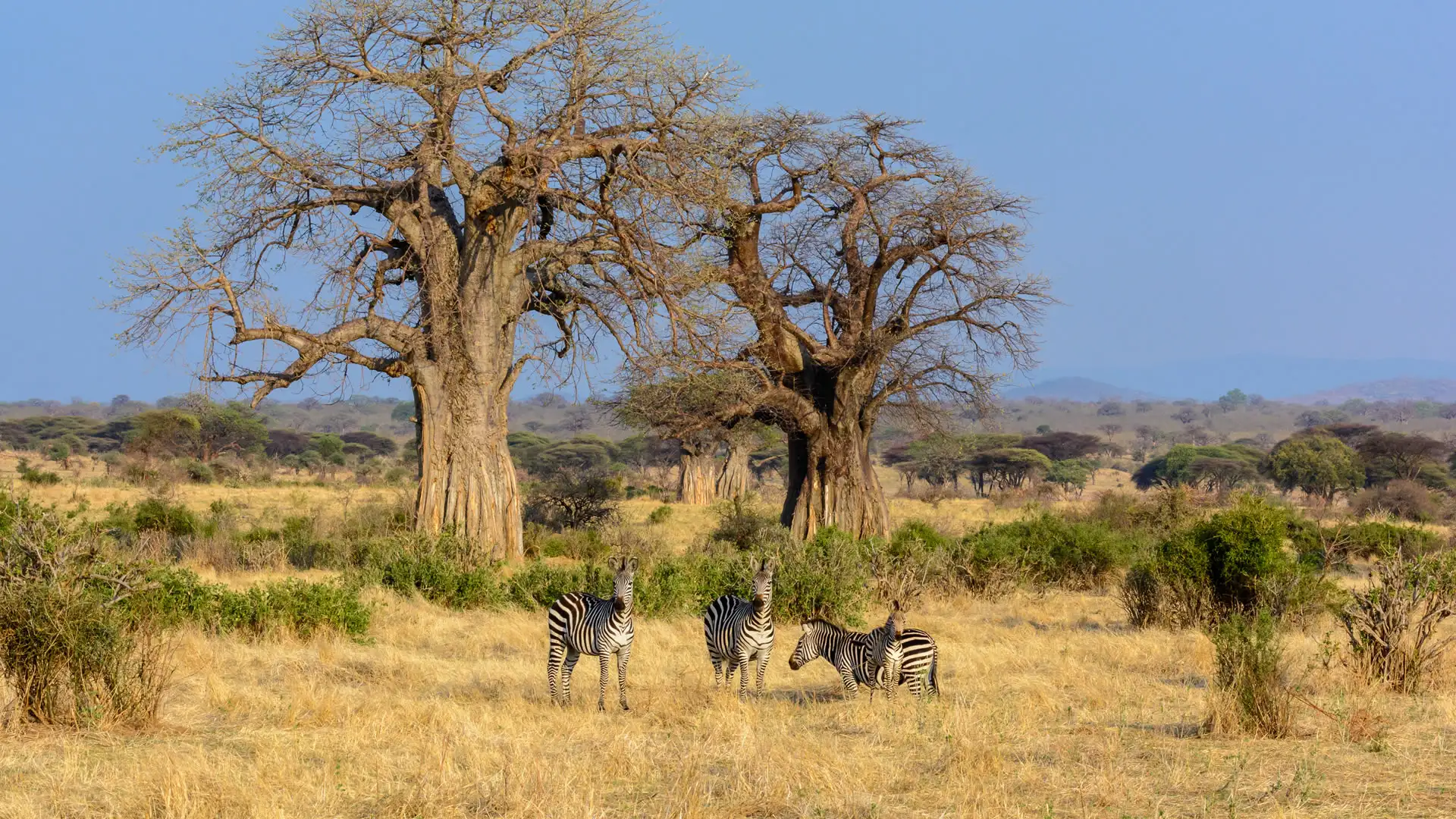
2-Day Lodge Safari to Tarangire and Ngorongoro
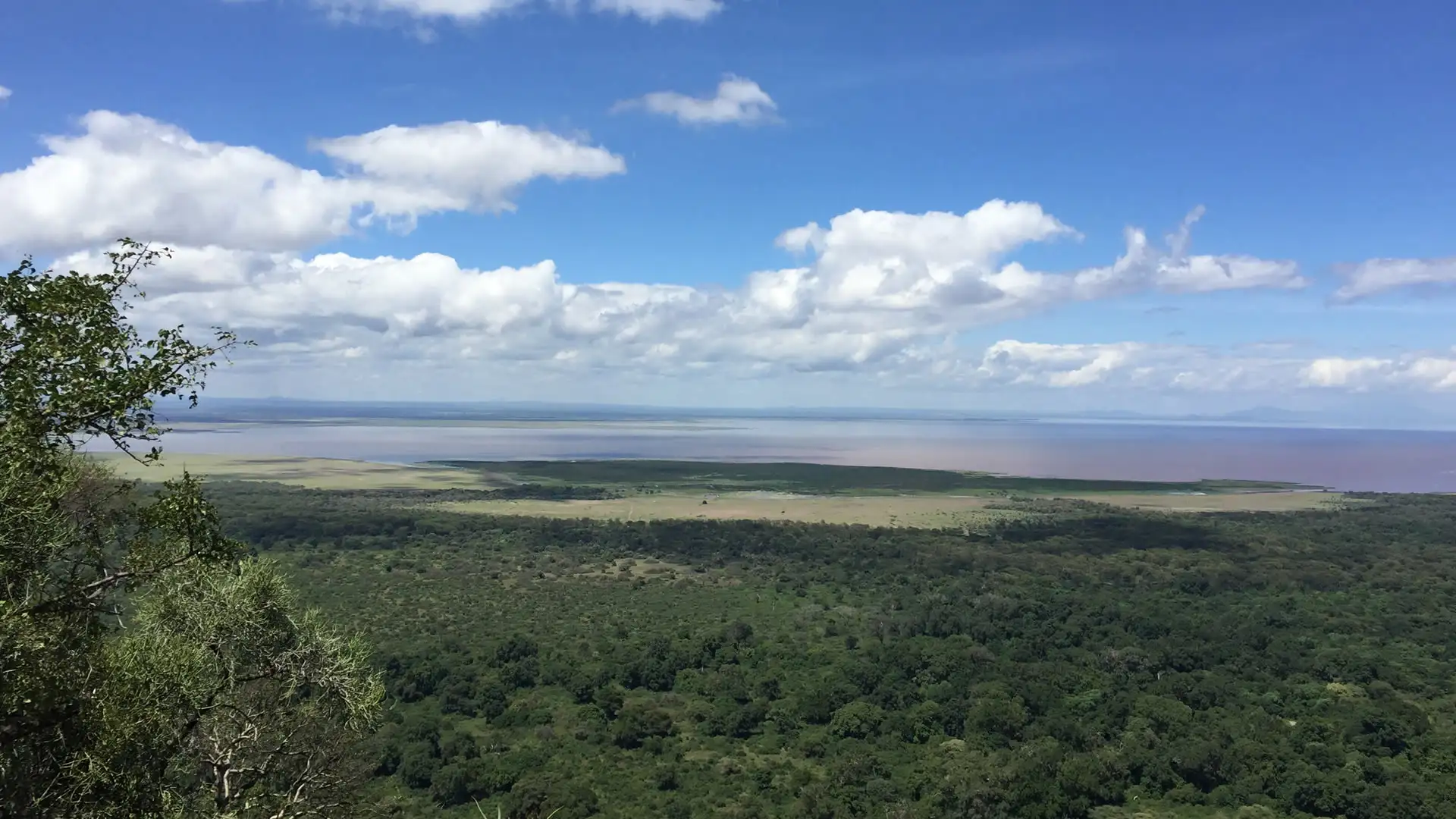
3-Day Luxury Tarangire, Ngorongoro & Manyara Tour
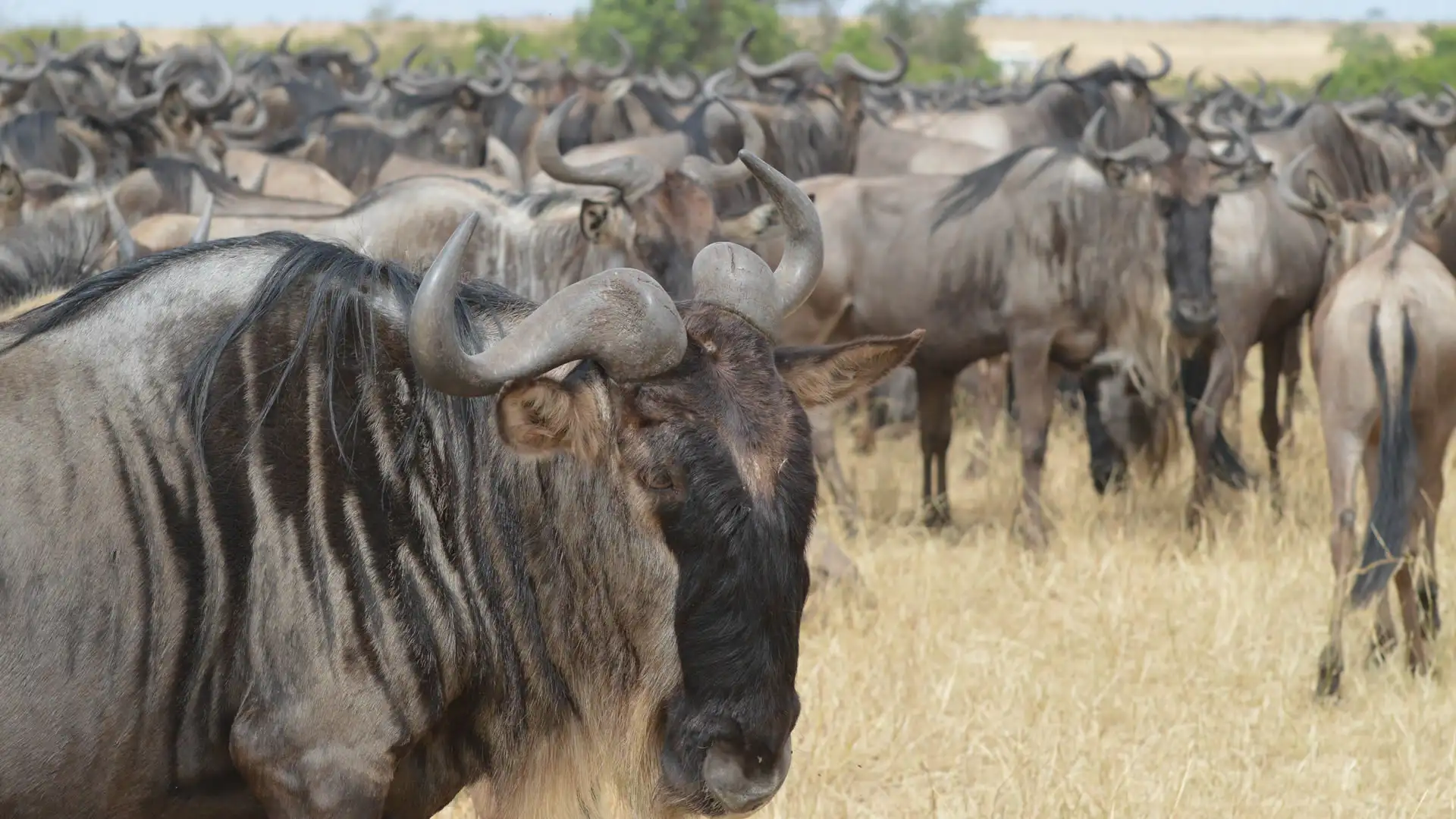
4-Day Serengeti, and Ngorongoro Lodge Safari
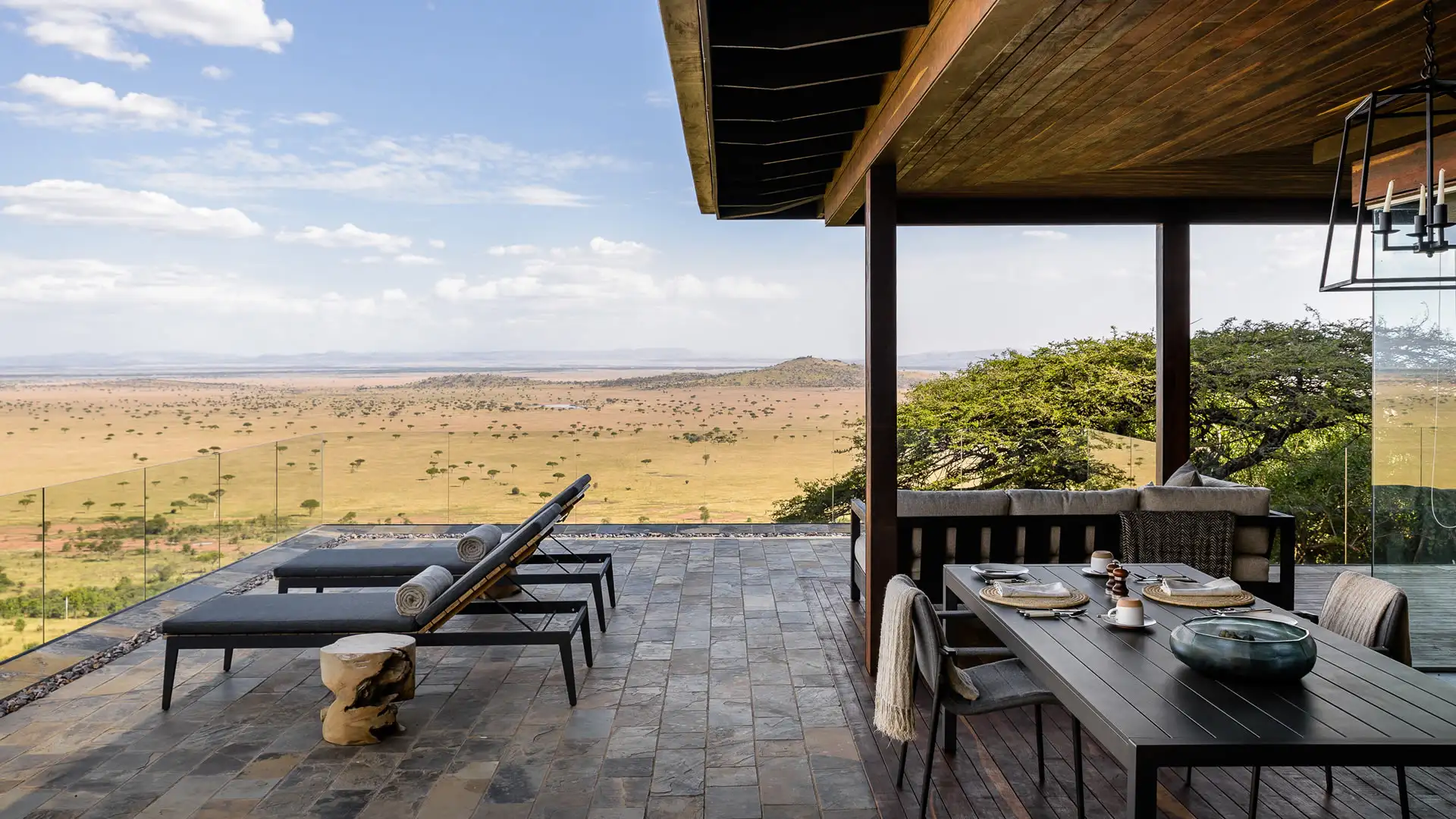
5-Day Classic Tarangire, Serengeti & Ngorongoro Safari
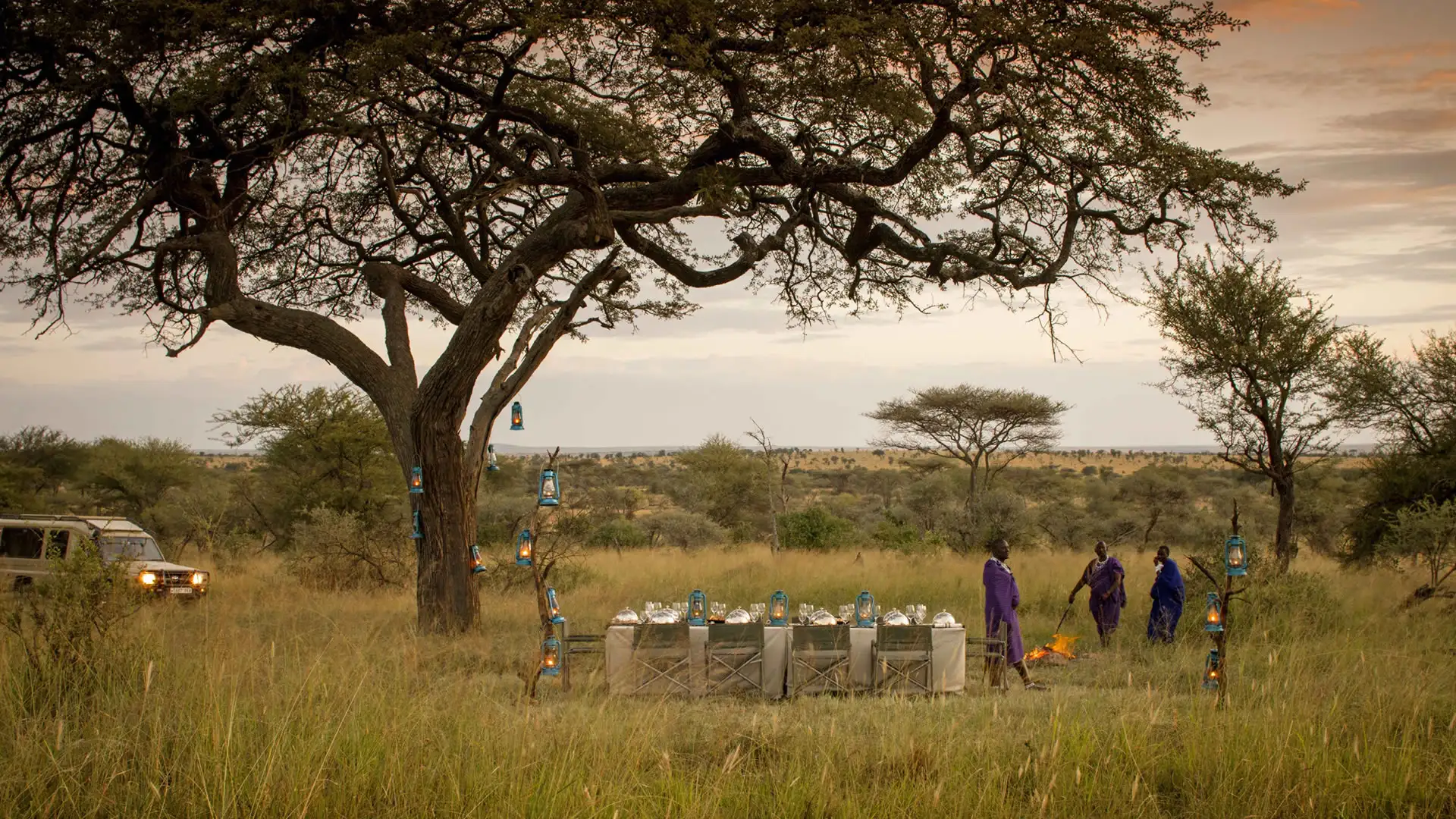
6-Day Northern Tanzania Safari Circuit Adventure
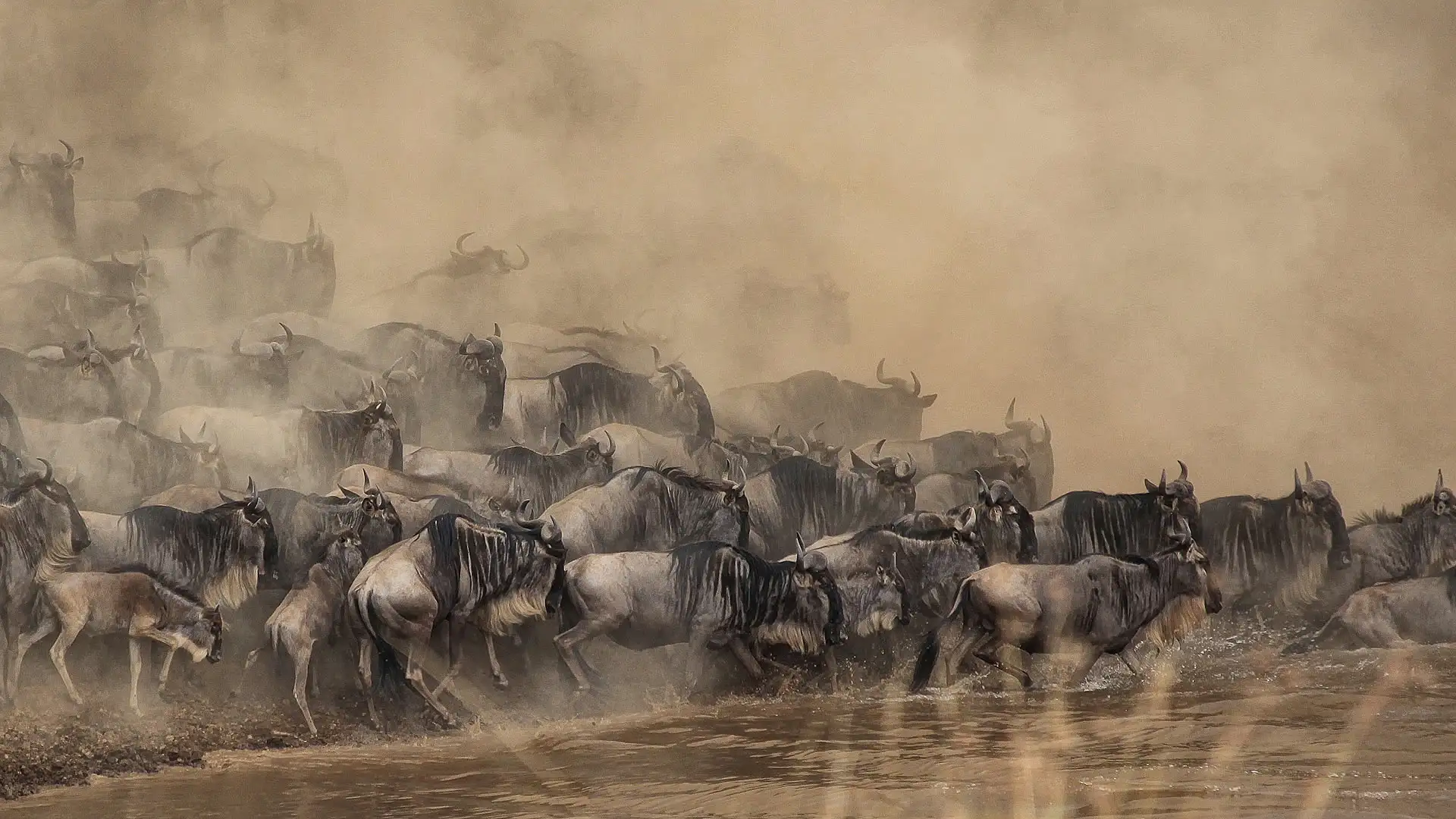
7-Day Wildebeest Great Migration Serengeti Safari

10-Day Tanzania Beach to Zanzibar Safari Adaventure
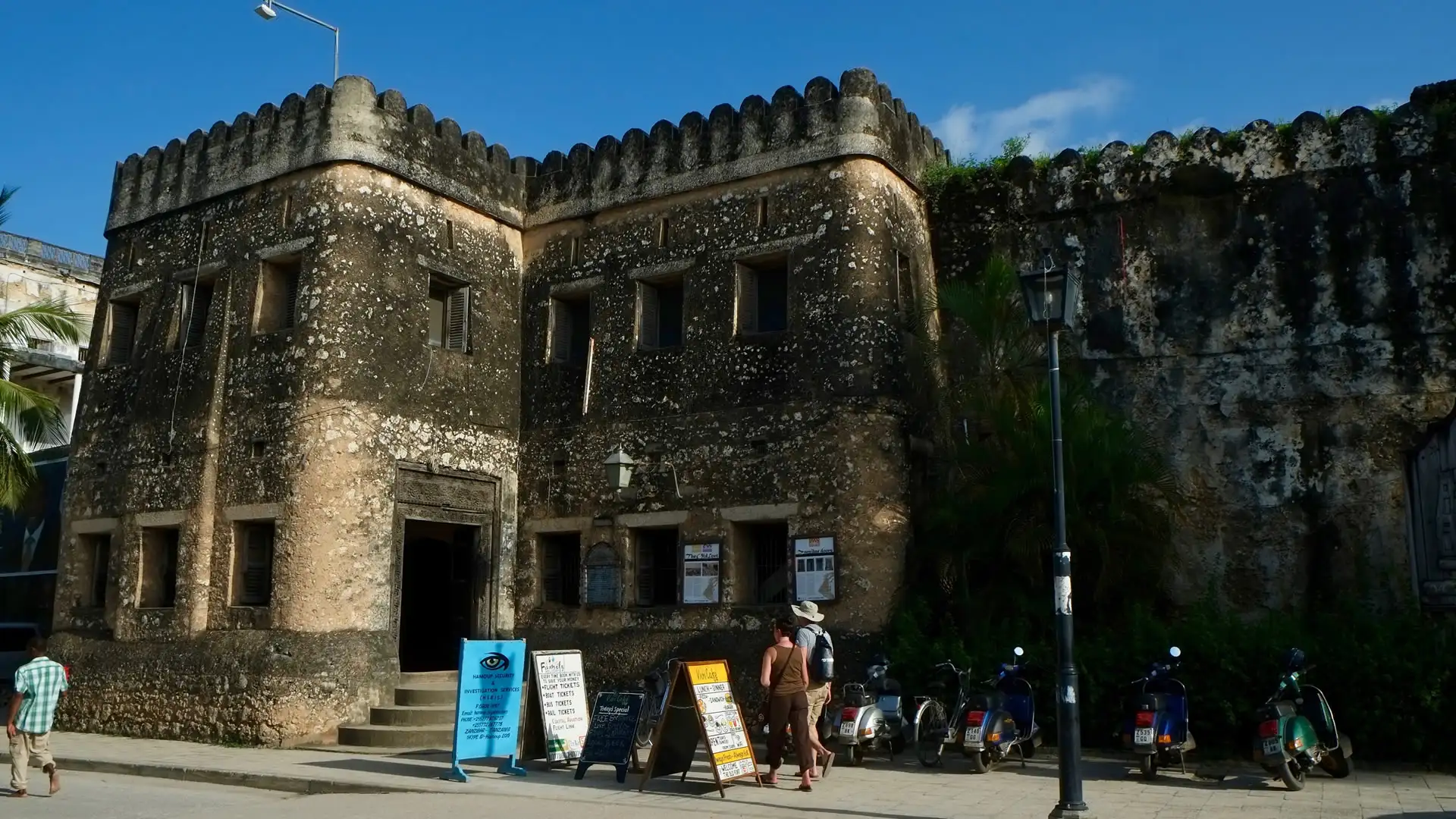
12-Day Tanzania luxury Safari and Zanzibar vacation
Ready to Experience the Serengeti?
Witness one of nature’s greatest spectacles in the world’s most famous national park